
Gardening and Landscaping in Athelstone
Gardening and Landscaping in Athelstone
Professional Gardening & Landscaping Solutions for Residential, Commercial & Strata Properties Across Adelaide
Athelstone runs from the River Torrens flats up to the boundary of Black Hill Conservation Park, and that one fact governs how a garden here is looked after. The management plan for Black Hill and Morialta puts average rainfall near Athelstone at about 640 millimetres a year, roughly 200 more than the western plain, so growth through winter and spring is heavier and the dry that follows it is sharper. Blocks on the Fifth Creek outwash plain sit on deep alluvial soil, while the streets climbing toward the park sit on shallow stony ground that erodes the moment it is scalped. Add a fire danger season opening on 1 December and gutters that fill with eucalypt litter, and the round here is part gardening and part fuel management. Call Mitesh on 0406 147 913 for a free measured quote.
GET A FREE QUOTE

OUR STORY
A Mill, A Market Garden District, And Blocks Big Enough To Show It
Athelstone takes its name from the house and mill Charles Dinham built beside the Torrens in about 1843, and the water that drove it is the same water that still makes the flats here the fastest growing ground in the district. John Coulls bought the mill in 1855, and for the century that followed this was growing country rather than suburb, because the alluvial soil the Fifth Creek outwash laid across these flats was worth farming. Market gardening carried it: the Tunno family and other Italian families who arrived through the 1950s worked these flats for some thirty years, raising endive, chicory, fennel and spinach for the Adelaide market, and the Advertiser's account of the district names the Fry and Kimber families among the growers who came before them. The street signs kept the record when the paddocks went, which is why an Athelstone round takes in Coulls Road, Dinham Road, Old Mill Road, Produce Court, Old Orchard Close, Olive Court, Berry Fry Avenue and Kimber Place. The first contemporary housing went up in the 1970s in estates like Foxfield, on the generous blocks that decade favoured, and a good number of those blocks have since been split for townhouses and courtyard homes. That leaves two very different jobs on the same street. The 2021 census counted 9,601 residents here with a fifth of them over 65, and a large share of our work is scheduled garden maintenance for owners holding a standard on a garden they planted themselves forty years ago, including the rose pruning and shrub work those gardens were built around. Behind them, the newer infill homes want something quicker and tighter. When a big original block finally gets away from its owner over a summer, that is a one-off clean-up first and a maintenance round afterwards.
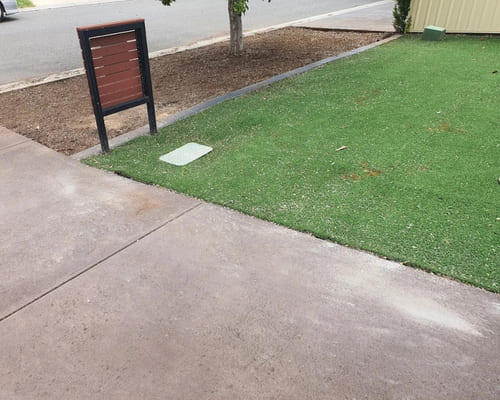
SERVICES WE OFFER IN Athelstone
Four Soils, 640 Millimetres Of Rain, And A National Park Over The Back Fence
Almost nothing about gardening in Athelstone matches the coastal suburbs, starting with the water. The Black Hill and Morialta management plan records average annual rainfall ranging from about 640 millimetres near Athelstone up to 944 millimetres near Norton Summit, and it falls mainly between May and September, with every other month of the year showing higher average evaporation than rainfall. In practice that means a heavy flush from August through November that needs the mower back on a shorter cycle, then five months where anything green is living on what you give it. The ground changes across the suburb as well. The flats sit on alluvial soil laid down by the Fifth Creek outwash plain, deep and forgiving. Climb toward the park and the profile thins to sandy soils over quartzite that the same plan flags as shallow and vulnerable to erosion wherever they are disturbed, while the northern ground on the shales runs to red brown earths with a heavy clay layer underneath and there are pockets of terra rossa over dolomite near the Torrens Gorge. That is four distinct soil types inside one postcode, which is why a feeding and watering programme that works at the bottom of Gorge Road can fail three streets uphill. Fifth Creek itself is an intermittent stream prone to flooding in late spring, so the low blocks near it get silt and a fresh load of weed seed most Octobers. Then there is the boundary. Black Hill Conservation Park was proclaimed in 1975 and holds the Athelstone Native Wildflower Garden, and the same management plan lists olive, boneseed, blackberry and bridal creeper among the invaders it fights there, including an ongoing olive removal programme on Woodforde Hill. Birds carry all of it over the fence, which is why weed control on a park boundary block is a scheduled twice yearly job on the rear strip rather than a spray when something is noticed. On these slopes coarse mulch laid to 75 millimetres is doing two jobs, holding soil that would otherwise wash and holding water through the dry, and we keep it pulled back off the wall line on properties near the park rather than banking fine flammable material against the house. Anything planted new goes in with irrigation sized for a November to April dry, because the winter rainfall figure flatters this suburb badly.
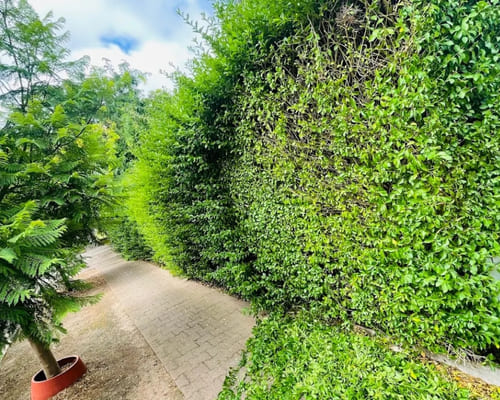
Why choose us in Athelstone
Why Athelstone Owners Book Us Rather Than The Cheapest Hour
On the hills face the calendar runs the job. The Country Fire Service set the fire danger season for the Adelaide Mount Lofty Ranges district at 1 December through to 30 April, and it can be extended when the season stays dry, so the fuel work on an Athelstone property gets booked well before that date rather than after it. That means long grass down, dead material out, growth pulled back off the house and the gutters cleared of eucalypt litter, then cleared a second time after autumn drop, because a gutter packed with dry leaf on a park boundary block is the cheapest fire risk in the garden to remove. During the season we work to the CFS conditions rather than around them. Mowers, brushcutters and chainsaws stay legal provided a rake or shovel and a portable water spray are on hand, the exhaust system is sound so no burning material escapes it, and hot parts are kept off dry vegetation, and our gear is maintained to that standard as a matter of course. Anything spark producing needs ten metres of cleared space and comes off the list entirely on a total fire ban day without a council permit, so we plan those tasks for the shoulder months instead of promising them in January. Slope changes the craft too. We lift cutting height on the sloped blocks to around 40 millimetres through summer rather than dropping it, because a scalped face on shallow stony soil erodes with the first storm and takes a season to recover, and we walk mow across the steeper faces instead of putting a ride-on somewhere it does not belong. Blades are sharpened on a set cycle of roughly 20 to 25 cutting hours so the leaf is cut rather than torn, which matters more here where a torn tip browns off fast in the February heat. Hedges and screening shrubs get cut to a green face and held dense rather than taken hard back into bare wood. BP Blitz carries $20 million in public liability cover with a certificate of currency on request and trades under ABN 59 193 634 840, which is what property managers, body corporates and the unit groups along Gorge Road ask for before a first visit. We have traded since 2023 on the back of a local gardening business with more than 20 years behind it and have looked after over 500 properties across Adelaide. Prices are fixed and written before anyone starts, and green waste over and above your bin is itemised in the quote rather than added at the end. Call Mitesh on 0406 147 913.
SERVICES WE OFFER IN Athelstone
The Athelstone Streets And Neighbouring Suburbs We Cover
Our Athelstone round splits three ways and the ground decides it. Up on the high side we work Highview Road, Panorama Drive, Marybank Terrace, Grandview Court, Bellview Drive, The Dress Circle, Sunset Strip and Torrensview Road, where blocks are sloped, views are long and the park boundary is close enough that fuel reduction and gutter work run to a fixed annual timetable. Through the middle sits the Gorge Road spine with Maryvale Road, Montacute Road, Stradbroke Road and Lower Athelstone Road, a mix of original 1970s homes and newer townhouse developments on split blocks, often two doors apart. Down on the flats near the Torrens and the Linear Park we cover River Drive, Linear Park Court, Woodlands Road and Meadowvale Road, where the alluvial soil grows everything faster and the mowing cycle tightens through spring. Addresses near Athelstone Preschool on Gorge Road and around Athelstone Recreation Reserve and Wadmore Park we book outside pick-up times, because a trailer across a narrow frontage at the wrong hour helps nobody. Rostrevor shares the same park boundary and the same fire timetable and is usually done on the same morning, while Paradise and Newton sit west of us on flatter ground with older established gardens. Campbelltown and Tranmere run further west again, and Highbury, Dernancourt, St Agnes and Magill are all listed service areas a few minutes out on the same north eastern leg. Because we are already on these streets weekly, a neighbour booking the same day is cheaper for both of you. Call 0406 147 913 with your street name and we will confirm your visit day.
Gardening and Landscaping Services we offer In Athelstone
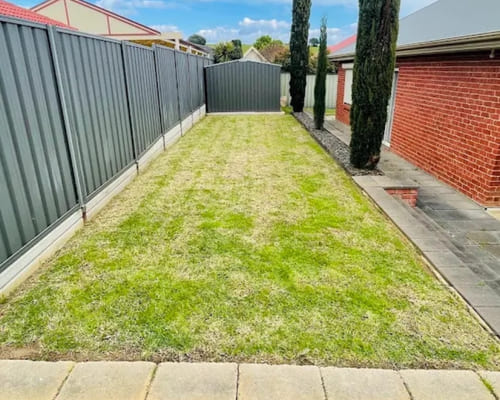
Scheduled mowing you can actually set your calendar by, with edging, trimming and a full blow-down included every visit. Cut height matched to your grass type so your lawn survives the Adelaide summer instead of scalping.
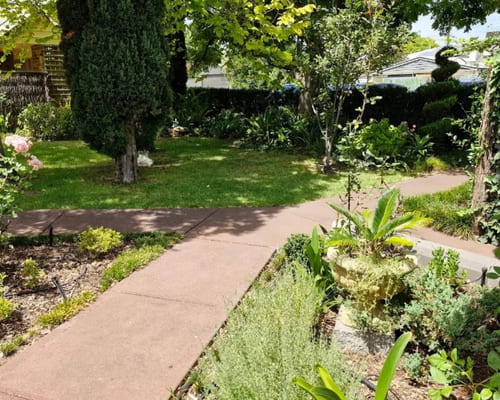
Weeds treated properly rather than just sprayed off the top. Selective lawn treatment, bed hand-weeding, paving knockdown and mulch suppression, timed to the Adelaide season so the weeds do not simply return in six weeks.
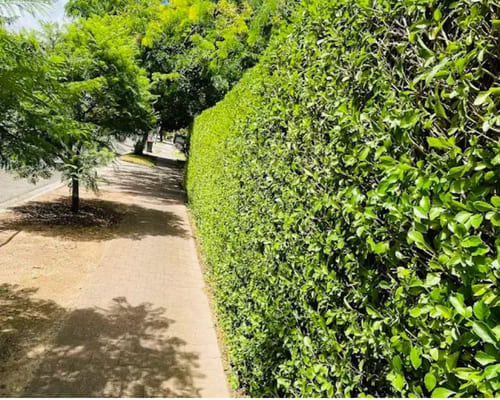
Hedges and shrubs cut to the species and the season, tapered so they stay green to the base rather than going bare and woody underneath. Every trimming cleared away, with the green waste cost agreed before we start.

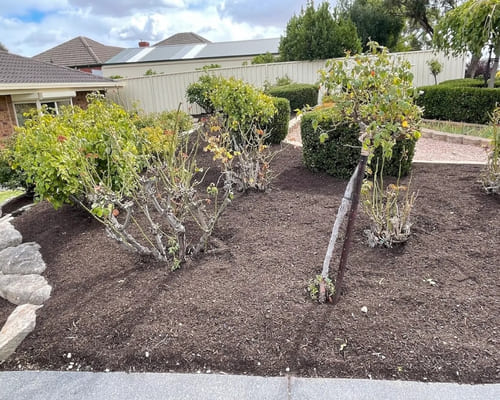
Roses pruned the way they should be, by bush type, at the right time of year, with clean angled cuts to outward-facing buds. An open vase shape that beats black spot and gives you a proper flush of flowers in spring.
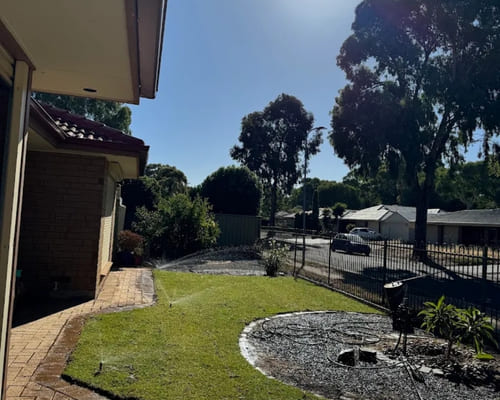
Feeding that actually reaches the roots. We condition Salisbury's reactive clay with gypsum, compost and wetting agents first, then apply the right slow-release or liquid feed for your lawn and beds, timed to the Adelaide seasons.
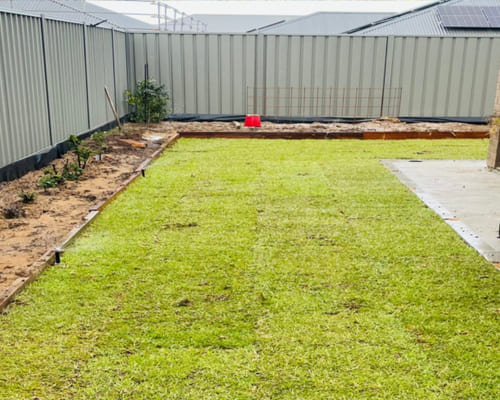
One crew, one schedule, one number that never changes. Mowing, edging, weeding, trimming and green waste handled on a set cycle so your garden never reaches the point where it needs an expensive rescue.
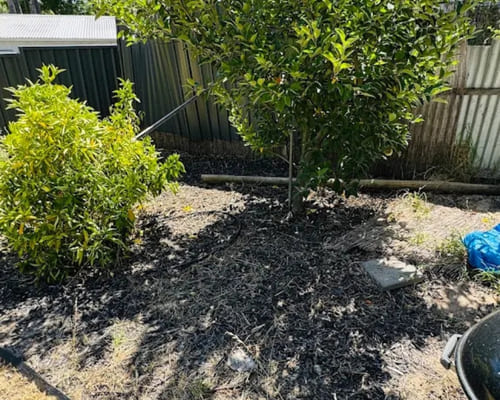
One visit to get a property back under control, quoted in writing before we touch anything. Bond returns, open inspections, council notices and overgrown blocks cleared completely, with the green waste cost agreed upfront.
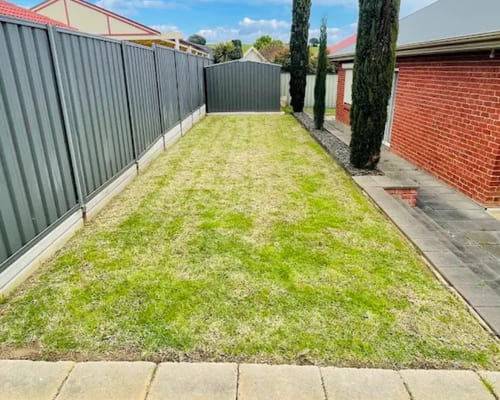
Strata grounds maintained on a fixed cycle with one point of contact, itemised invoicing your committee can approve, photo reporting and a current certificate of currency backed by $20 million public liability cover.
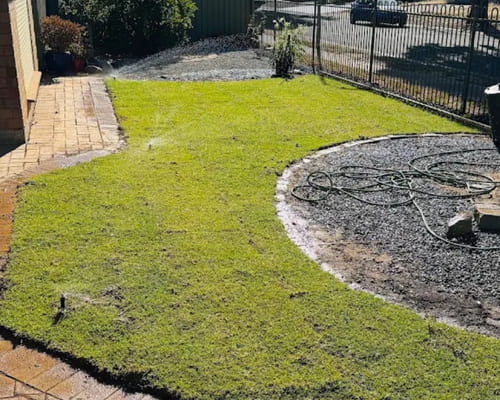
Commercial grounds kept to a consistent standard on a fixed schedule, worked around your trading hours, invoiced against an ABN with itemised lines and backed by $20 million public liability cover.
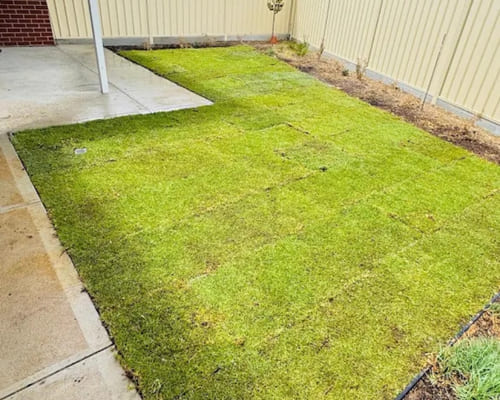
The whole property handled by one crew instead of three separate trades. Lawns, beds, hedges, mulch, irrigation and gutters on a single schedule, with one invoice and one number to call.
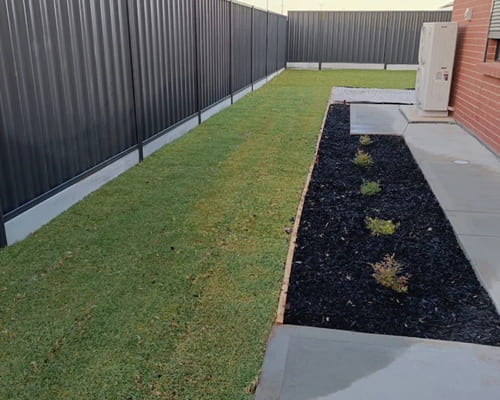
Turf that is still thriving in three years because the clay underneath was fixed first. Gypsum, compost, proper levels and screed sand before a single roll goes down, plus the watering plan that gets you through the critical first three weeks.
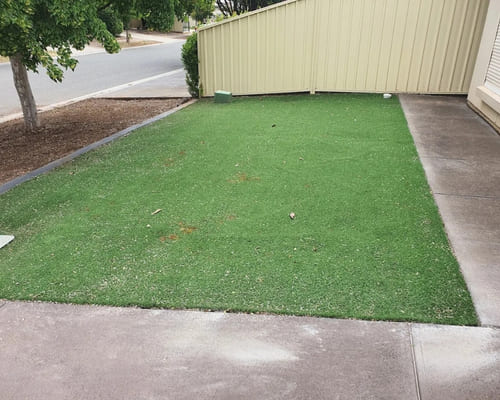
Artificial turf laid on a properly compacted crushed rock base, not straight onto dirt. Glued joints, secured edges and brushed-in infill so it still looks flat and upright after its third Adelaide summer.
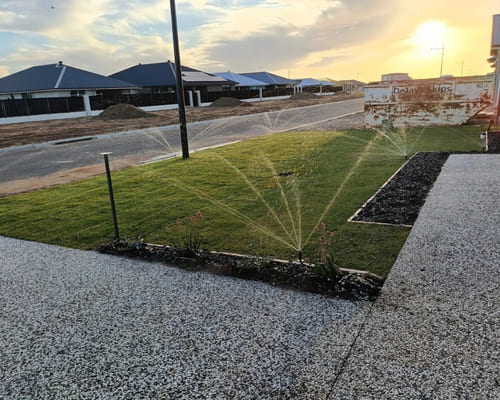
Irrigation designed off your actual mains pressure and flow, zoned by plant type and sun, and set for early-morning cycles that beat Adelaide evaporation. Every arc tested and adjusted before we hand it over.

Gardening and Landscaping In Athelstone
FREQUENTLY ASKED QUESTIONS
Everything you need to know about our Gardening and Landscaping In Athelstone
What do most gardeners charge per hour in Athelstone?
We quote the job rather than the hour, because an hourly rate tells you nothing about how long someone intends to take. A standard maintenance visit covering the mow, edging, a trim and the blow-down generally sits between $60 and $110, and the larger original 1970s blocks here, particularly the sloped ones on the high side, sit at the top of that band or are quoted per visit once we have measured them. Courtyard gardens behind the newer townhouses are quicker and usually start around $40 to $50. Two neighbours booking the same day brings both prices down because we are already on the street, and every price is fixed and written down before anyone starts.
How much does it cost to clear an overgrown garden in Athelstone before the fire danger season?
A garden that has run through a season is a clean-up rather than a maintenance visit, and those normally land between $150 and $400 depending on how much green waste comes off the block. Anything beyond what your bin will hold is hauled away at typically $30 to $80 a trailer load, itemised in the quote rather than added afterwards. The Country Fire Service sets the fire danger season for the Adelaide Mount Lofty Ranges district at 1 December to 30 April, so book the clearing, the cut back off the house and the gutters for October or November while the work is still straightforward. Leaving it to January means working under restrictions on ground that is already dry.
Which council is Athelstone in, and how often is the green organics bin collected?
Athelstone sits in the City of Campbelltown, with collections run by East Waste. General waste is picked up weekly, and recycling and green organics alternate fortnightly, so your green bin comes out every second week. The council's weekly green FOGO trial covers about 1,250 properties in part of Campbelltown suburb, bordered by Atkell Avenue, Clairville Road, Newton Road, Gorge Road and Lower North East Road, so it does not apply to Athelstone addresses. Worth knowing as well: on a catastrophic fire danger day East Waste suspends collection in parts of Athelstone and Rostrevor, which is why we reschedule green waste runs on those days rather than leaving a loaded trailer sitting on a frontage.
Why do olive and boneseed seedlings keep coming up along my back fence?
Because birds are planting them for you from the bushland behind the fence. Olive was introduced to South Australia in 1836 and blackberry in 1843, and the management plan for Black Hill and Morialta lists olive, boneseed, blackberry and bridal creeper among the weeds it is still fighting inside the park, including an ongoing olive removal programme on Woodforde Hill. On a park boundary block that seed pressure never lets up, so chasing it after the fact is wasted money. We work the rear strip twice a year, pulling or cutting and treating seedlings while the taproot is still small enough to come out cleanly, then mulch the strip so what does germinate has nowhere easy to establish.
Can you mow a steep block in Athelstone without wrecking the slope?
The slopes here sit on shallow stony soils that the park management plan specifically flags as vulnerable to erosion once they are disturbed, so how a sloped block is cut matters more than most people expect. We lift the cutting height rather than dropping it, never take more than a third of the leaf in a pass, and walk mow across the steeper faces instead of putting a ride-on where it is neither safe nor gentle. Where a face is too steep or too shaded to hold grass at all, we will say so and price the honest alternative, usually a mulched garden bed, a pebbled batter or artificial turf, rather than sell you a lawn that erodes every winter.
Do you cover Rostrevor, Paradise, Newton and Highbury as well?
All four are on the same north eastern round and are often done the same morning. Rostrevor shares our park boundary and the same fire timetable, while Paradise and Newton sit west of us on flatter ground with older established gardens. Campbelltown, Tranmere, Dernancourt, St Agnes and Magill are all listed service areas a few minutes further out. If your street sits right on a suburb boundary, call 0406 147 913 with the street name and we will confirm which day we are on your side.
TESTIMONIALS
What Athelstone Homeowners Say About Us
Request A Free Quote
GET A FREE QUOTE
BUSINESS
SERVICES
OPERATING HOURS
Sun: 7:00am - 9:00pm
Mon: 7:00am - 9:00pm
Tue: 7:00am - 9:00pm
Wed: 7:00am - 9:00pm
Thu: 7:00am - 9:00pm
Fri: 7:00am - 9:00pm
Sat: 7:00am - 9:00pm