

BP Blitz

Highest Quality Services, 100% Satisfaction Guaranteed!

garden maintenance Adelaide

Seasonal Gardening Tips
Gardening Services

Seasonal Gardening Tips for Adelaide Homes

Gardening success is also heavily dependent on timing as well as effort especially in Adelaide where the Mediterranean climate dictates the success and failure of certain activities. The hot dry summers, cool winters, changeable springs, and mild autumns mean that plants are better in the seasons one works with. It is an educative manual providing handy season-by-season garden tips to Adelaide homes to use less water to grow more plants and achieve healthier gardens throughout the year. Understanding Adelaide’s Climate and Soil Conditions Adelaide’s Mediterranean Climate Explained The city of Adelaide has lengthy and dry summers, commonly characterised by heatwaves, and colder and wetter winters. The right time is between the seasons of autumn and spring. The watering plans and choice of plants must be different in each season because of the unequal amount of rainfall during the year. Common Soil Types in Adelaide Homes Some of the suburbs have soils with a high amount of clay, which drain slowly during the winter but harden during the summer. Without this, the roots will die or will find it difficult to penetrate. Structures, drainage as well as nutrients are improved by frequent organic matter composts, old manure, and mulch. Why Local Knowledge Matters Selection of plants and activities that are adapted to the local environment lowers the stress levels on the plants, increases the flowering and yield and decreases the long-term maintenance expenses. Spring Gardening Tips for Adelaide Homes What to Plant in Spring Spring produces vegetables that are quick-growing and flowering annual plants, which can be planted in time before summer heat sets in. The natives have likewise been responding favourably in large numbers now, which capitalises on the warm weather. Weed and Pest Control Weeds explode in spring. Get rid of them early so that they are not allowed to grow. Watch for pests, keep an eye on new growth, deal with problems early or the pests will infest the summer. Smart Watering The watering should be done gradually. The spring weather is fluctuating and may shift to being cool and warm in a very short period of time, and in this case over watering would be advisable when it cools down. Summer Gardening Tips for Adelaide Homes Protecting Plants from Extreme Heat Heatwaves are common. Soak water (7-10 cm) in such a manner that the roots are not hot and wrap young plants with shade cloth. Wind shields are used to avoid the loss of moisture. Water-Wise Gardening  There are also options of drip irrigation and soaker hoses. Choosing Heat-Tolerant Plants Native species and drought-resistant species are more suited to summers in Adelaide. Water usage also can be minimised through minimisation of lawns or using low-water groundcovers. Managing Summer Pests and Diseases Plants that are under heat stress are the ones that are most appealing to pests. Observe the results of the damage and discolouration of the leaf and make timely intervention regarding particular and minimal treatments. Autumn Gardening Tips for Adelaide Homes Why Autumn Is Ideal for Planting Hot soil and cold air provide good conditions for root formation. Plants thrive adequately and need less water as compared to summer. Soil Improvement and Composting Now add compost and other organic material which will break up over winter and you will have rich soil in the spring. Use fallen leaves and garden trimmings and start or top up compost piles. Pruning and Clean-Up Get rid of dead summer and hack out where needed. Heavy pruning is not to be carried out too early as the new growth might be subjected to cold snaps. Winter Gardening Tips for Adelaide Homes Winter Planting Options There are cold-season vegetable and ornamental hardies. Another season when bare-root trees can be planted is in winter when they are dormant. Lawn and Garden Maintenance Do not walk on wet lawns or mow them since it beats them out. Sufficient ventilation is used to prevent fungus. Planning Ahead It should be done during winter and plan the layouts, order and improve the spring soil. Seasonal Lawn Care Tips for Adelaide Properties Warm-Season vs. Cool-Season Lawns Most of the Adelaide lawns are warm-season grasses, which are active during warm seasons and semi-dormant during winter seasons. Adjust care accordingly. Fertilising and Mowing by Season During spring and summer water lawns grow slightly. During summer, raise the mowing height in order to cover the roots and reduce the water loss. Water-Smart Lawn Maintenance During winter, watering should also be avoided. Water is more intensely used during the summer months but at a lower frequency to come up with drought resistance. Sustainable and Native Gardening for Adelaide Homes Benefits of Native and Climate-Adapted Plants The native plants need less water and withstand heat better and naturally favour the local wildlife. They are not very demanding in terms of maintenance once formed. Seasonal Mulching and Water Retention Mulching all year round (coarser in summer and finer in winter to cool and preserve the soil respectively). Frequent mulching promotes the health of the soil as well as reduces evaporation. Conclusion The great gardens in Adelaide do not involve working around the clock since it is all about timing. Knowing the seasons, soil improvement and choosing the plants suitable for the climate make gardening easier and less costly and more rewarding.
gutters clean
Gutter Cleaning Services

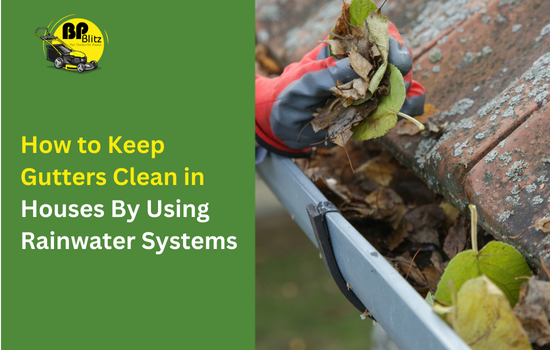
How to keep gutters clean in houses by using Rainwater Systems

Cleaning your gutters regularly is one of the most efficient methods of protecting your property and ensure the efficiency of rainwater systems that are integrated. If gutters are not properly maintained, they can cause a broad variety of issues that range from water damage to a decrease in the efficiency for rainwater system showever, many homeowners don’t realize the importance of gutter cleaning is. This article will look at the importance of clean gutters as well as what causes them to get blocked and the best ways of keeping them clear of any debris and smart maintenance techniques which will save you time money and anxiety. What is the reason? Clean Gutters Matter Gutters are made to capture rainwater that falls on your roof and channel it away from the foundation of your home. As an element of the rainwater system gutters play a important role in ensuring that water gets into barrels or storage tanks, without carrying twigs, leaves or debris from the roof. Filled or dirty gutters could cause water to leak onto the sides, seeping into walls, causing damage to paint and even ruining the landscaping beneath. For those who rely on rainwater to water their gardens or for household usage, keeping clean gutters can be the difference between clean water that is usable and not expensive pollution. Additionally, the accumulation of debris could attract pests, trigger algae growth, and strain gutter brackets, thereby reducing the life of the entire system. Common causes of gutter clogs Knowing the causes that cause drains to get blocked helps to prevent issues before they get worse. The most frequently cited causes are: 1. Seeds and leaves Trees are the most natural nemesis to clear gutters. In the fall, and even in warmer climates, with evergreen species, seeds and leaves are able to accumulate quickly. 2. Twigs and Branches Storms as well as high winds can throw broken twigs into the gutters. In time, these twigs can build up and collect other debris. 3. Algae and Algae Moist environments encourage moss development around shingles as well as in gutters. Once moss has established itself it will hold water and lead to overflow. 4. Roof Granules – Older roofs shed tiny granules, which can move into the gutter channels, especially in the absence of guards. 5. Insective Nesting Birds And Insects Birds, wasps, and other insects may use the gutters as nesting places and blockages are created by nests and debris. If they can identify the contributors homeowners can create an effective cleaning schedule and take preventive steps. How often should gutters be cleaned? A common and frequently inquired about questions is When should I wash my drains? The answer varies depending on the surroundings you live in: For many houses the need to clean gutters in the spring, late winter and late summer autumn will remove the most debris from autumn. If your gutters have guards it is possible to lower the frequency however, you will not completely eliminate the need. Safety Equipment and Tools You’ll Have To keep your gutters clean and safe, you need the right equipment: If you’re not comfortable with the heights of your home or is multi-story, consider employing a professional instead of risking injury. The Step-by-Step Guide for Gutter Cleaning Guide Here’s a proven method to effectively clean gutters: 1. Plan Your Access Be sure that the ladder is sturdy. It should be placed on a level ground and close enough to the gutters but not go over. 2. Get rid of large Debris First With a scoop or gloved hands, get rid of leaves or sticks as well as any other debris visible. Do it slowly, so as not to harm the gutter’s liner. 3. Check Downspouts Make sure that water flows through every downspout by using an outdoor hose. If the water isn’t flowing freely it is best to use a plumber’s snake to get rid of obstructions. 4. Clean the gutters Once the big stuffs gone and the length is cleared … run water with the pipe. This will reveal any clogs that are lurking in the hose and remove small particles. 5. Check for damage While cleaning, check for sagging areas and rust spots. Also, look for loose fasteners. Tighten any loose screws and patch spots in need of repair. Maintaining is the cornerstone of good rainwater systems because gutters full of rubbish can cause storage tanks to get dirty and may freeze a QLD style filter at least. Gutter Guards What are they and How They Can Help Gutter guards are mesh-covered covers installed on gutters to block debris that is large and allow water to pass through. They are particularly beneficial when you reside in an area that has high leaf fall, like under deciduous trees, or in close proximity to forests. Although guards greatly cut down on the time it takes to clean however they cannot completely eliminate the need for cleaning. Pollen, fine particles and even small pieces of debris may remain under guards for a long time. But guards make routine maintenance less labor-intensive, and enhance rain water’s quality used to be used for irrigation as well as household use. Seasonal Tips to Ensure Efficient Maintenance To ensure that your rainwater system is working well all through the season, here are the seasonal suggestions: SpringIn the aftermath of bloom and pollen season clear the gutters to keep them free of the spread of disease during heavy spring rains. summer:Check for moss and verify guard strength, particularly during stormy weather. Fall:This is the biggest cleaning time because fallen leaves are able to quickly fill up gutters. WinterWhen you experience cold temperatures, make sure you clear your gutters before the cold gets in to prevent expanding damage and ice dams. These seasonal practices aid in maintaining the highest performance of both rainwater drainage and gutters. Reducing the risk of damage to Landscaping Cleaning and flushing gutters the water can splash onto plants below. To safeguard landscaping: This is not only a

Scroll to Top